
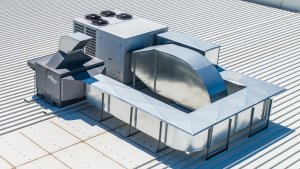


Find the right cooling system for your home by comparing comfort, costs and climate suitability.
Choosing the right cooling system is less about choosing the “best” technology and more about finding the right fit for your climate, home layout and long-term running costs.
In Australia, evaporative cooling generally performs best in hot, dry climates, while reverse cycle systems are often better suited to humid or mixed climates. Factors such as insulation, ceiling height, airflow, zoning and how often different rooms are used can also influence comfort and efficiency over time.
At Seeley International, we’ve manufactured and supplied a range of Australian-designed cooling systems for all weather conditions and homes. This guide breaks down the three main factors that influence cooling system choice in Australia: climate, running costs and home size.
How to Choose the Right Cooling System for the Australian Climate?
Different cooling systems are designed to perform best in different Australian conditions. Before comparing prices or features, it helps to understand how climate, humidity and airflow can influence system performance and long-term efficiency.
Choose Evaporative Cooling for Hot and Dry Climates
Locations: Perth, Adelaide, Inland Victoria and NSW
Evaporative air conditioning is better in regions that are hot and dry. The system draws hot outdoor air through water-saturated pads, cools it through evaporation, and circulates fresh, cool air throughout your home. In dry climates, evaporative systems are extremely efficient to run.
One benefit of evaporative cooling for homeowners is that it works well when your windows and doors are left open. Compared to reverse-cycle systems, evaporative systems keep your home open and ventilated. This fresh-air approach can also help improve airflow and indoor comfort during long Australian summers. Learn more about the benefits of fresh-air cooling for Australian homes.
Choose Reverse Cycle for Humid or Coastal Climates
Location: Sydney, Brisbane
In humid and high-moisture regions, you’ll want to go with reverse cycle air conditioning. It works well in humid conditions and provides consistent cooling regardless of the weather. Reverse cycle systems are also popular in climates where both heating and cooling are needed throughout the year, making them a flexible option for changing seasonal conditions. Many homeowners also use reverse cycle systems for winter heating through split or ducted setups. Many homeowners also use reverse cycle systems for winter heating through split or ducted setups.
Evaporative cooling relies on low humidity to work, which makes it a less efficient choice for homes in these locations. When the air outside is already moisture-rich, evaporation loses its effectiveness, and the system ends up adding humidity instead.
What About Melbourne or Variable Climates?
Melbourne’s famous 4-seasons-in-a-day climate can make it trickier. For variable climates, we recommend a reverse cycle system. Whether a ducted or split system, it’s the most reliable choice when you’re not sure what the weather and precipitation will be like.
What Are the Running Costs for Cooling Systems in Australia?
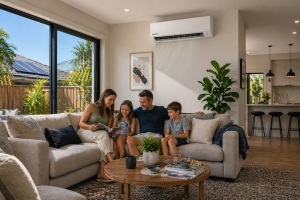
Running costs are often where homeowners get caught out. We often see homeowners overestimate the cost of a reverse cycle system (and misjudge how much they actually use their systems).
Running costs are influenced by more than just electricity usage. Climate conditions, insulation quality, ceiling height, zoning, thermostat settings and how often the system operates all affect long-term energy consumption.
Evaporative cooling is the lowest-cost option to run, using up to 80–90% less electricity than reverse cycle systems. This is great if your home is in a dry climate and you’re running the system every day during summer. However, evaporative systems need water to operate, which can increase your water bill.
Reverse cycle systems, on the other hand, can be costlier to run, but that cost has fallen significantly. Modern reverse cycle units can give you 3 – 5x the heating or cooling output for every unit of electricity consumed (we call this Coefficient of Performance – COP).
Seeley’s ducted reverse cycle units typically sit in the 3.5 – 4 COP range. In industry standards, it’s one of the higher levels of market efficiency. Once you factor in inverter technology, smart zoning, and high energy star ratings, the running cost becomes much more manageable.
If you’re pairing your reverse cycle system with solar, then the cost becomes even cheaper.
You can also add a few habits to reduce your running costs. For evaporative systems, start running them early to cool down your home before the heat comes in. Meanwhile, with reverse cycle systems, set temperatures around 23–25°C for cooling and 18–22°C for heating if possible, and turn them off when not using.
Regular servicing and filter maintenance can also improve efficiency and help systems operate more effectively over time. See our Air Conditioner Maintenance Checklist for practical maintenance tips.
And if you’re renting a room, looking to cool a small space, or managing a scenario where permanent cooling systems just won’t work, then a portable evaporative cooler might be a better choice.
Here’s a breakdown of the running costs and climate for each cooling system.
| System | Relative Running Cost | Notes |
| Evaporative cooling | Low | Best value in dry climates. However, consider the ongoing water usage |
| Reverse cycle | Medium | Higher, but with modern, efficient systems available. |
| Portable cooling | Low–varies | Best for supplemental/single-room use |
*Actual costs depend on home size, insulation, usage hours, and local energy and water tariffs.
Even in the same climate, two homes can need completely different cooling solutions depending on layout and how the space is used.
Open-plan living areas, ceiling height, insulation, zoning needs and the number of occupied rooms can all influence which cooling system performs best.
How to Choose a Cooling System in Australia Based on Home Size and Layout?
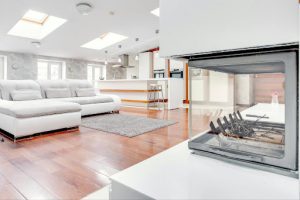
Ducted Evaporative Cooling: Large, Open-Plan Homes
Ducted evaporative cooling is one of the most cost-effective cooling systems if you have a large home without much zoning. It works for whole-home coverage, and you don’t have to spend much on running costs (provided your home is in a dry climate).
Homes with large living spaces, high ceilings or connected indoor-outdoor areas often benefit from systems designed to maintain consistent airflow across multiple zones.
For large homes in varied or humid climates, we recommend a ducted reverse cycle system. This gives you a reliable temperature throughout the year. Modern ducted systems can be installed with a zone controller that lets you set different temperatures in different rooms.
Split System Reverse Cycle: Small to Medium Homes and Apartments
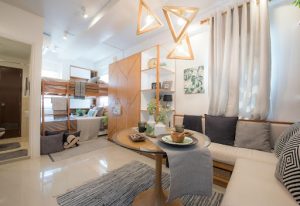
For apartments, townhouses, or compact homes, a split-system reverse cycle unit is a great solution. It’s flexible, has a lower installation cost, and works effectively with windows and doors closed. It’s also a great solution for homeowners who like to control the temperature in individual rooms or zones without spending on a full ducted reverse cycle AC.
Split systems are also a practical option for households that only need to heat or cool specific rooms during certain parts of the day, helping reduce unnecessary energy usage.
Portable Evaporative Cooler: Supplemental or Single-Room Cooling
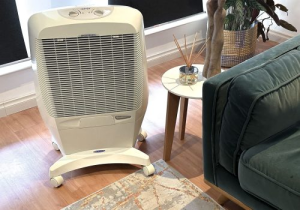
For renters, home offices, granny flats, or rooms that need that extra cooling without straining the main system, consider a portable evaporative cooler. There are no big installations for these systems, but you do need to exhaust them properly so the cool air doesn’t escape together with the hot air.
Portable cooling can also suit temporary living arrangements or situations where permanent installation is not practical, such as rentals or flexible workspaces.
In Summary: How to Choose a Residential Cooling System
Here are some common variables for Aussie homes and climates, and what cooling systems are the best choice.
| Your Situation | Recommended System |
| Hot, dry climate / large home | Ducted evaporative cooling |
| Open-plan family home | Ducted evaporative cooling |
| Humid or coastal climate | Reverse cycle |
| Apartment / small home | Split system reverse cycle |
| Solar-powered home | High-efficiency reverse cycle |
| Existing ducted home upgrade | Ducted reverse cycle |
| Supplemental room cooling | Portable cooling |
Key Takeaway
There’s no single “best” cooling system for every Australian home. By considering your climate, running costs and home layout, you can choose a system that delivers long-term comfort without unnecessary energy costs.
The right system depends on balancing climate suitability, running costs and how your household uses the space day to day. Understanding these factors early can make choosing a system much easier.
Our Help Me Choose tool is created for exactly this. Simply enter your postcode, answer a few questions, and we’ll easily pair you with the right cooling system. Alternatively, speak to one of our residential sales representatives at 1300 360 815, and we’d be happy to help.
Frequently Asked Questions
What is the most energy-efficient cooling system for an Australian home in different climates?
In dry climates, ducted evaporative cooling is the most energy-efficient option. These systems use up to 80–90% less electricity than reverse cycle and provide whole-home cooling at a very low cost to run. If your home is in a humid or coastal climate, consider a reverse cycle system instead. Many of the latest models are highly energy-efficient and can be just as cheap to run with solar.
What size cooling system do I need for my home?
The sizing of your cooling depends on a few key considerations: your floor area, ceiling height, insulation, window orientation, and local climate. The best starting point is our Help Me Choose tool or a conversation with your nearest Seeley International dealer, who can assess your specific situation. Find your dealer here.
Is ducted heating and cooling worth it for a whole home?
Yes, for most homes. A ducted system gives you consistent comfort for every room. The latest ducted models also come with zone controllers to reduce the temperature or turn off the heating or cooling in specific areas. However, ducted systems have a higher upfront investment than a single split system.
What cooling system works best with solar?
Reverse cycle air conditioning works best with solar. A reverse-cycle AC runs on electricity and can use electricity directly from solar power generated during the daytime. Inverter systems are also great if you have solar in your home, as you can adjust their output to match your usage demand. Running the cooling function during peak solar hours can noticeably lower your net energy costs.
Is ducted cooling worth it for double-storey homes?
Yes, ducted cooling is good for larger two-storey homes, especially when there is zoning. Double-storey homes are more prone to uneven temperatures between floors, and you may notice your upper levels heating up faster during summer. A ducted system with proper zoning helps you manage each level separately, so it’s more comfortable and energy efficient.
Can I use portable cooling as my main system?
Yes, for a single room or granny flat. A portable evaporative cooling system is quite capable and convenient for cooling a specific space, but not ideal for cooling the whole home. Portable units are best used to supplement an existing system, rather than as your main cooling for the whole house.
Does insulation affect cooling efficiency?
Yes, definitely. A house or apartment with good insulation can slow the heat transfer into your home, so your cooling system doesn’t have to work as hard. We typically see roof insulation making the biggest difference in heat transfer, but proper window glazing and draught sealing help too. This works the same in reverse during the cooler months.
Is evaporative cooling suitable for bushfire-prone areas?
No, evaporative cooling isn’t suitable for bushfire areas because it draws outside air into the home, which can be a problem during smoke events or fire. In bushfire-prone areas, we recommend choosing a reverse-cycle system because it recirculates indoor air and can keep outside air out.
How long do cooling systems typically last?
Most good-quality cooling systems last between 15 and 20 years with the right care and maintenance. Evaporative systems generally have a lifespan of 10 to 12 years, while reverse cycle units lasts around 12 years. We recommend annual checkups for cooling systems to keep them working properly.