

Not sure whether evaporative cooling or reverse cycle air conditioning is right for your home? Compare costs, comfort, energy efficiency and climate suitability to make a more informed decision.
Creating an energy-efficient home doesn’t have to be expensive. Start by sealing draughts, improving insulation, and managing heat through window coverings and smart use of sunlight. Switch to LED lighting and use heating and cooling more efficiently by focusing on the rooms you use and shifting energy use to off-peak or solar hours. Small changes can deliver big savings, better comfort, and lower energy bills.
Read on for a practical, step-by-step guide that takes you through the most effective ways to create an energy-efficient home, starting with simple upgrades that deliver immediate results.
1. Assess your homes current energy performance
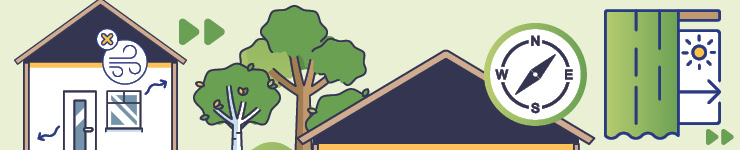
Before spending money on costly appliance and system upgrades, it’s important to understand where your home is losing or gaining energy. Start with these key areas:
Draught Proofing
Uncontrolled air movement is one of the most common causes of heat loss in homes. Start by checking for obvious gaps around:
- windows and skylights
- floorboards and skirting boards
- doors and walls
- vents, exhaust fans, and fireplaces
- appliances that connect to walls
How to seal common gaps:
Simple draught-proofing measures can make a noticeable difference to comfort and energy use. Door snakes or draught stoppers help seal gaps at the base of doors, while foam strips and sealants can be used around window frames, skirting boards, and architraves. Draught seals fitted to internal and external doors, along with backflow-preventing stoppers for exhaust fans, are particularly effective during colder months. Always follow manufacturer instructions when installing sealants or insulation products.
 Window coverings
Windows are a major source of heat loss and gain. Almost 90% of a home’s heat is gained, and up to 40% of heating energy is lost through its windows. They are major thermal weak spots.
Block-out curtains and blinds help reduce heat loss in winter and limit heat gain in summer, particularly when closed before peak heat hours. External shading options such as pergolas, awnings, or outdoor window blinds can further protect your home from harsh summer sun and improve indoor comfort.
 Landscaping
Thoughtful landscaping can improve your home’s energy efficiency by working with natural elements such as shade, sunlight, and airflow.
Planting deciduous trees on the sunniest sides of your home provides shade during summer while allowing sunlight through in winter. Rows of hedging or shrubbery can act as natural windbreaks, helping to reduce exposure to cold winter winds. When adding hard surfaces like paths, paving, or driveways, lighter-coloured materials absorb less heat, keeping outdoor areas more comfortable during warmer months.
Home Orientation: Make the Most of Your Home’s Position
Even if you can’t move your house, understanding its orientation helps you make smarter energy decisions.
- North-facing windows capture winter sun, helping to warm living areas naturally.
- East-facing windows receive morning sun and warm up earlier in the day.
- West-facing windows are exposed to afternoon heat and can overheat in summer.
- South-facing rooms stay cooler and may need additional heating in winter.
How to respond to your home’s orientation
- Use curtains, blinds, or reflective films on windows based on sun exposure.
- Add pergolas, awnings, or external blinds to block summer heat.
- Arrange high-use rooms on the north or east sides, and place storage or less-used rooms on cooler sides.
- Plant deciduous trees or shrubs for natural shading and wind protection.
- Use reflective or light-coloured surfaces on walls and roofs to reduce heat absorption.
Even without moving your home, understanding its orientation and taking these measures can reduce energy use and improve comfort year-round.
2. Improve home efficiency

Insulation
Insulation is one of the most cost-effective ways to make your home energy efficient. By slowing the transfer of heat, insulation keeps your home warmer in winter and cooler in summer, reducing the need for heating and cooling, and cutting energy bills.
Why it matters:
-
Poorly insulated ceilings, walls, and floors can lose up to 40% of a home’s heat in winter.
-
Heat can also enter through uninsulated areas in summer, increasing cooling costs.
-
Even small improvements can make existing heating and cooling systems more effective.
Where to Insulate
Ceilings and roofs (where the most heat is lost)
Most heat transfer is through the ceiling, making it one of the most important areas to ensure insulation is sufficient.
Key considerations:
- Heat rises, which is why ceiling insulation delivers the biggest efficiency gains.
- Common options include bulk insulation (batts or blankets) and blown-in insulation.
- Take care not to block vents or exhaust fans when installing insulation.
Internal and external walls in older homes
Older homes especially may lack insulation on internal walls. In this case, blown-in insulation is a good solution to retrofit insulation with minimal disruption.
Floors and under-floor areas
Insulate suspended timber floors from below. If you are building, incorporate insulation prior to slab pour. For inexpensive retrofit options, simple things like foam floor tiles for sheds and rugs for homes will create a thermal barrier that will help reduce heat loss through the floor.
Hot Water Systems & Exposed Pipes
Insulate tanks and pipes to cut heat loss by up to 25%; foam pipe insulation is cheap and easy to install.
Switch your lighting
Lighting is one of the easiest and most cost-effective ways to reduce energy use in your home. LEDs (light-emitting diodes) use up to 80% less energy than traditional incandescent bulbs and last 10–25 times longer, meaning fewer replacements and lower running costs over time.
Tips for switching to LEDs:
- Start with high-use areas like living rooms, kitchens, and bathrooms.
- Check lumens for brightness. Warm white (2700–3000K) for a cosy feel in living areas, neutral white (3500-4000K) for dining areas and bathrooms, and cool white (4000–5000K) for kitchens or workspaces.
- Replace bulbs gradually, room by room.
- Use dimmers or smart lighting for extra energy savings.
- Consider motion sensors or timers for low-use areas and outdoor lighting.
Switching to LEDs is a small upfront investment with big long-term savings, reduced maintenance, and a lower carbon footprint, making it a simple but powerful step toward a more energy-efficient home.
3. Quick energy-saving wins you can apply right away
Small changes in how you use energy at home can deliver noticeable savings, without upgrades or renovations.
These habits work even better when paired with good insulation and efficient systems.
- Heat or cool only the rooms you’re using
Focus energy where it’s needed instead of conditioning the whole house. - Use zoning or internal doors to manage airflow
Even simple DIY zoning helps control temperature more efficiently. - Turn cooling on before peak heat hits
This reduces strain on your system and improves overall efficiency. - Run appliances during off-peak or solar hours
Laundry, dishwashers and hot water systems are ideal candidates. - Use ceiling fans to support heating and cooling
They help circulate air and improve comfort with very low energy use.
If you’re ready to build on these efficiency gains, transitioning to an electric home is often the next logical step. Our practical guide explains how households can make the shift in a manageable, cost-conscious way.
Read the Home Electrification Guide
2. Improve home efficiency
Insulation
Insulation is one of the most cost-effective ways to make your home energy efficient. By slowing the transfer of heat, insulation keeps your home warmer in winter and cooler in summer, reducing the need for heating and cooling, and cutting energy bills.
Why it matters:
-
Poorly insulated ceilings, walls, and floors can lose up to 40% of a home’s heat in winter.
-
Heat can also enter through uninsulated areas in summer, increasing cooling costs.
-
Even small improvements can make existing heating and cooling systems more effective.
Where to Insulate
Ceilings and roofs (where the most heat is lost)
Most heat transfer is through the ceiling, making it one of the most important areas to ensure insulation is sufficient.
Key considerations:
- Heat rises, which is why ceiling insulation delivers the biggest efficiency gains.
- Common options include bulk insulation (batts or blankets) and blown-in insulation.
- Take care not to block vents or exhaust fans when installing insulation.
Internal and external walls in older homes
Older homes especially may lack insulation on internal walls. In this case, blown-in insulation is a good solution to retrofit insulation with minimal disruption.
Floors and under-floor areas
Insulate suspended timber floors from below. If you are building, incorporate insulation prior to slab pour. For inexpensive retrofit options, simple things like foam floor tiles for sheds and rugs for homes will create a thermal barrier that will help reduce heat loss through the floor.
Hot Water Systems & Exposed Pipes
Insulate tanks and pipes to cut heat loss by up to 25%; foam pipe insulation is cheap and easy to install.
Switch your lighting
Lighting is one of the easiest and most cost-effective ways to reduce energy use in your home. LEDs (light-emitting diodes) use up to 80% less energy than traditional incandescent bulbs and last 10–25 times longer, meaning fewer replacements and lower running costs over time.
Tips for switching to LEDs:
- Start with high-use areas like living rooms, kitchens, and bathrooms.
- Check lumens for brightness. Warm white (2700–3000K) for a cosy feel in living areas, neutral white (3500-4000K) for dining areas and bathrooms, and cool white (4000–5000K) for kitchens or workspaces.
- Replace bulbs gradually, room by room.
- Use dimmers or smart lighting for extra energy savings.
- Consider motion sensors or timers for low-use areas and outdoor lighting.
Switching to LEDs is a small upfront investment with big long-term savings, reduced maintenance, and a lower carbon footprint, making it a simple but powerful step toward a more energy-efficient home.
3. Quick energy-saving wins you can apply right away
Small changes in how you use energy at home can deliver noticeable savings, without upgrades or renovations.
These habits work even better when paired with good insulation and efficient systems.
- Heat or cool only the rooms you’re using
Focus energy where it’s needed instead of conditioning the whole house. - Use zoning or internal doors to manage airflow
Even simple DIY zoning helps control temperature more efficiently. - Turn cooling on before peak heat hits
This reduces strain on your system and improves overall efficiency. - Run appliances during off-peak or solar hours
Laundry, dishwashers and hot water systems are ideal candidates. - Use ceiling fans to support heating and cooling
They help circulate air and improve comfort with very low energy use.
If you’re ready to build on these efficiency gains, transitioning to an electric home is often the next logical step. Our practical guide explains how households can make the shift in a manageable, cost-conscious way.
Read the Home Electrification Guide