Home electrification guide for Victorians

Victoria is moving toward an all-electric future, and homes are at the centre of that change.

Gas is being phased out in new builds, incentives to connect to gas have ended, and older gas systems are becoming more expensive to run and replace. At the same time, electric heating and cooling systems — particularly reverse-cycle and ducted heat pumps — are now more efficient, safer, and better suited to Victoria’s climate than ever before.

This guide explains what’s changing, what it means for your home, and how to transition gradually and confidently. Whether you’re planning ahead, upgrading as systems reach end of life, or building new, this guide is designed to help you make informed decisions that improve comfort and reduce long-term energy costs.

Making the transition from gas to an all electric home

Victoria’s Transition to Sustainable Heating and Cooling

Victoria’s energy system is changing fast, and housing policy is following suit. New homes are now required to be all-electric, and gas connections are becoming increasingly costly for existing households. This shift isn’t about forcing change overnight, it’s about making homes safer, more efficient, and cheaper to run over time.

Electric heating and cooling systems now outperform gas in most homes when it comes to:

  • running costs
  • energy efficiency
  • indoor air quality
  • long-term reliability

Thousands of Victorian households have already made the switch, often saving $1,000–$2,000 per year when efficient electric systems are paired with solar.

This isn’t just a policy shift.

It’s a practical evolution in how Victorian homes are designed, heated, cooled, and powered.

Why electrification matters for Victorian Homes

Heating and cooling account for a large share of household energy use — often 30–40% depending on the home and location. Gas prices have risen steadily, and maintaining ageing gas infrastructure is becoming increasingly expensive.

At the same time:

  • reverse-cycle heat pumps now deliver three to five times more energy than they consume
  • electric systems work efficiently across Victoria’s diverse climate zones
  • government programs are reducing upfront costs for households

For homeowners, the key challenge is not whether electrification is coming, it’s how to plan the transition without disruption or unnecessary cost.

The Home Electrification Journey (A practical guide)

Every household starts from a different place, but the electrification journey follows a similar path. Understanding this makes the process feel manageable rather than overwhelming.

Step 1

Understand Your Home’s Starting Point

Some homes rely on older ducted gas systems nearing the end of their life. Others already have rooftop solar and only need to upgrade appliances to make better use of that energy. In many older homes, the biggest issue isn’t the heater: It’s insulation, draughts, or inefficient windows.

Before replacing any major system, it’s worth assessing how your home performs. Local councils and energy providers often offer low-cost or free energy checks. These assessments highlight where heat is lost in winter or gained in summer and identify simple improvements that deliver immediate comfort gains.

Improving the building envelope first means:

  • smaller heating and cooling systems
  • lower installation costs
  • better long-term efficiency

Step 2

Know What’s Changing in Victoria

Victoria’s move away from gas is being rolled out gradually. Existing gas systems can still be used, but new connections are being phased out and incentives to stay on gas have ended in Victoria. Gas prices are rising, and many households are already seeing higher bills even with reduced usage.

Knowing what’s coming allows homeowners to plan upgrades on their terms, rather than being forced into a rushed decision when a system fails in winter.

Step 3

Understand Your Electric Heating and Cooling Options

Electric heating and cooling now suits almost every type of Victorian home.

Reverse-cycle split systems

Ideal for apartments, smaller homes, or targeted room heating and cooling.

Multi-head and ducted heat pumps

Provide whole-of-home comfort, often using existing ductwork.

Solar-integrated systems

Allow heating and cooling to run on rooftop energy, dramatically reducing running costs.

The key is to think long-term. Each upgrade should fit into a future all-electric home, rather than replacing like-for-like without considering what comes next.

Heating and Cooling: The Heart of Home Electrification

Heating and cooling systems play a central role in electrification because they influence comfort, health, and energy bills more than almost any other appliance.

Comparing Gas and Electric Systems

Traditional gas ducted systems typically convert only 60–70% of gas energy into usable heat. Modern reverse-cycle heat pumps, by contrast, deliver 300–500% efficiency — producing three to five units of heat for every unit of electricity consumed.

While gas systems can appear cheaper upfront, higher running costs often outweigh those savings within a few years.

Total Cost of Ownership and Running Costs

When comparing systems, it’s important to look beyond the sticker price.

When paired with solar, electric heating and cooling costs can drop significantly during daylight hours: Sometimes close to zero.

System Type Typical Upfront Cost Annual Operating Cost* Expected Lifespan
Legacy Gas Ducted (3-star) $3,000 - $4,000 $900 - $1,500 10 - 15 years
Reverse Cycle Split System $2,000 - $3,500 $300 - $700 12 - 15 years
Ducted Reverse Cycle $7,000 - $15,000 $400 - $900 15 - 20 years
*Approximate costs for an average Melbourne household based on 2025 tariffs and usage patterns.

Comfort, Health and Indoor Air Quality Benefits

Electric systems provide more consistent temperatures and better humidity control. Unlike gas heaters, they don’t burn fuel indoors or produce carbon monoxide, improving indoor air quality.

For households with children, older residents, or people with asthma, these health benefits can be just as important as energy savings.

Technology Pathways to an All-Electric Home

Renewable-Ready Heating and Cooling

Modern heat pumps are designed to work seamlessly with:

  • Rooftop solar
  • Battery storage
  • Smart energy controls

Running heating and cooling when solar is generating reduces grid reliance and lowers bills.

Home with renewable energy powering heating and cooling.

Smart Controls and Load Management

Smart thermostats, zoning, and Wi-Fi controls allow households to:

  • Pre-heat or pre-cool using solar
  • Avoid peak electricity pricing
  • Monitor real-time energy use

Over time, these systems also support grid stability, turning homes into active participants in the energy system.

Smart controls to manage home energy usage and maximise efficiency.

Technical Spotlight: Braemar Dominator Series

Many homeowners want to electrify without a full home retrofit. Retrofit-ready systems make this possible.

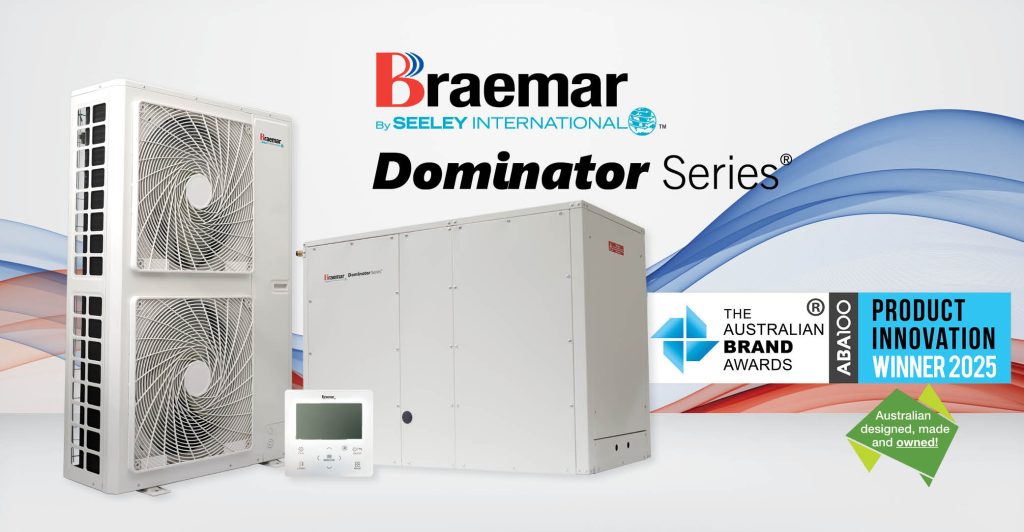
The Braemar Dominator Series is a reverse-cycle ducted solution designed for efficient electrification using existing ductwork. This reduces installation time and cost while delivering modern performance.

Key benefits include:

  • high efficiency inverter technology
  • zoning for room-by-room control
  • strong performance across Victoria’s climate zones
  • compatibility with solar and battery systems

This type of system shows how electrification can be practical, not disruptive.

Braemar Dominator Series - all electric system designed to replace ducted gas heating.

Support, Tools, and Confidence-Building Resources

Digital Tools That Help

Online planners, cost calculators, and rebate finders help households:

  • Compare systems realistically
  • Understand running costs
  • Identify available rebates

These tools are about confidence, not complexity.

Installers and Quality Assurance

A successful transition relies on skilled installers who understand both the technology and the home. Choosing accredited professionals ensures correct system sizing, airflow, and long-term performance.

Consumer protections and industry standards exist to support homeowners if issues arise.

Enabling a Fully Renewable Home

Electrification opens the door to broader energy independence.

Beyond Heating and Cooling

  • Solar PV
  • Batteries
  • EV charging
  • Induction cooking
  • Home energy management systems

Future-Ready Homes

  • Smart tariffs
  • Demand response
  • Virtual power plant participation
An all electric home with energy efficient appliances and renewable energy

Policy, Equity, and Community Considerations

Electrification must work for everyone, not just those with upfront capital.

Targeted rebate programs, low-interest upgrades, and community retrofit schemes help ensure low-income and vulnerable households can also benefit from efficient, safe homes.

Clear, inclusive communication is essential in a diverse state like Victoria.

Practical Recommendations Moving Forward

Home Owner

For Homeowners

• Improve insulation and sealing first

• Plan appliance upgrades before failures occur

• Use rebates to reduce upfront costs

• Choose systems suited to your home and climate

• Pair electrification with solar where possible

Builder

For Builders and Developers

• Design for efficiency before system size

• Default to electric, not gas

• Ensure homes are solar-ready

• Work with trained installers

A Vision for Victoria's Homes

Victoria has the opportunity to lead globally in healthy, efficient housing.

A future where:

  • Homes are comfortable year-round
  • Bills are lower and more predictable
  • Air quality is improved
  • Local skills support local communities
  • Innovation sets global standards

Electrification is not just an energy transition.

It’s a long-term improvement to how Victorians live at home.

An energy efficient community

Planning your Electrification Journey?

Every Victorian home is different. The best electrification outcomes come from understanding your home’s layout, insulation, existing systems, and future plans before making upgrades.

If you’re thinking about transitioning to efficient electric heating and cooling, professional guidance can help you choose the right pathway — whether that’s upgrading gradually or planning a full electrification over time.

Frequently Asked Questions

Victoria is phasing out gas in new homes and reducing incentives to stay connected. Existing homes can keep using gas, but electric systems are becoming the most practical replacement when appliances reach end of life.

Planning ahead helps homeowners avoid rushed upgrades and higher long-term costs.

No. Most homes transition gradually.

Homeowners usually upgrade insulation first, then replace appliances as they wear out. Heating and cooling systems are often the biggest and most effective early upgrade.

A staged approach reduces cost and disruption.

Start with the building, not the appliances.

Improving insulation and sealing drafts reduces energy use and allows smaller, more efficient electric systems to be installed later.

This step improves comfort immediately.

Yes. In most Victorian homes, electric heat pumps are cheaper to run than gas.

They use energy far more efficiently, and running costs drop even further when paired with solar.

Upfront costs are often recovered over time through lower bills.

Yes. Modern electric systems are designed for Victoria’s full climate range, including cold regional areas.

Many perform efficiently below 0°C, especially when homes are well insulated.

Retrofit options also suit older homes.

Yes. Electrification delivers benefits even without solar.

Electric systems are more efficient than gas on their own. Solar can be added later to increase savings.

Many households electrify first and install solar when ready.

Victoria offers rebates that reduce the upfront cost of electric upgrades.

Programs such as the Victorian Energy Upgrades scheme and Solar Victoria support heating, cooling, solar, and hot water systems, depending on eligibility.

Checking rebates before upgrading can save thousands.

Yes. Efficient, electric-ready homes are increasingly attractive to buyers.

Lower running costs, better comfort, and future-ready systems can improve appeal and reduce concerns about future upgrades.

Energy performance is becoming a stronger selling factor.