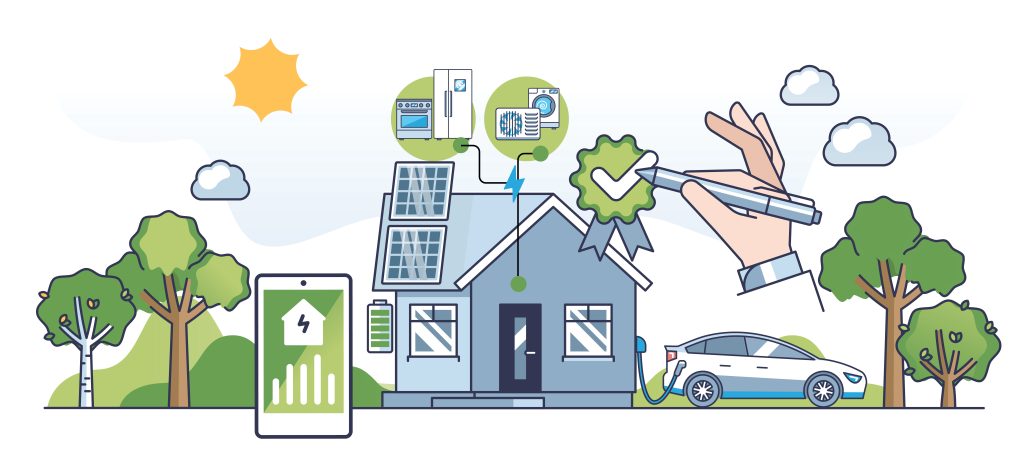


Electrifying your home doesn’t have to be overwhelming. Learn how to plan the transition one step at a time and move toward an all-electric home with confidence.
You don’t need to overhaul your home overnight to transition to electric. Start with low-cost efficiency upgrades like insulation and draught sealing, then replace gas appliances with efficient electric options as they reach end of life. By planning ahead, using Victorian rebates, and adding smart controls and solar where possible, you can transition gradually, reduce energy bills, improve comfort, and future-proof your home without the stress.
Here’s how to take that journey, one practical step at a time.
Why a Gradual, Stress-Free Transition Makes Sense

Electrifying your home can sound daunting. Gas has been the default in Victorian homes for generations, and switching to electric heating and cooling can feel like a big, expensive leap into the unknown.
The good news? You don’t have to do everything at once.
Victoria’s move away from gas is happening gradually, and homeowners have time to plan, upgrade step by step, and take advantage of rebates and smarter technologies along the way. This article focuses on how to make that transition practical, gradual and confident.
For deeper context on policy changes, technology options, and long-term benefits, see our Home Electrification Guide for Victorians.
Step-by-Step: How to Transition to an Electric Home

Step 1: Improve Your Home’s Efficiency First

Start with insulation and draught sealing to get the best performance from your electric heating and cooling system. These upgrades are relatively inexpensive and often deliver the biggest improvements in comfort and energy use.
Insulation reduces heat loss in winter and heat gain in summer, while sealing gaps prevents warm or cool air from escaping. A well-sealed home requires less heating and cooling, no matter which system you choose.
For practical ideas, see our guide on cost-effective ways to make your home more efficient.
Step 2 – Understand What’s Changing in Victoria

Victoria is not forcing homeowners to remove working gas appliances. However, the direction is clear: when systems reach end of life, electric replacements are becoming the most practical and affordable option.
Planning ahead matters. Emergency replacements during winter breakdowns often lead to rushed, expensive decisions. Understanding your options early puts you back in control.
Step 3: Choose Electric Heating and Cooling That Fits Your Home

Electric heating and cooling is not one-size-fits-all, and the right option depends on your home.
- Reverse-cycle split systems for individual rooms or smaller homes
- Multi-head or ducted reverse-cycle systems for whole-home comfort
- Retrofit-friendly ducted systems that can reuse existing gas ductwork
The key is thinking long-term. Each upgrade should fit into a future all-electric home, rather than replacing appliances in isolation.
Step 4: Look Beyond Upfront Cost to Long-Term Value

Electric systems can cost more upfront than gas, but upfront price only tells part of the story.
When lower running costs, reduced maintenance, longer system lifespan, and potential solar savings are factored in, electric systems often cost far less over their lifetime. Many Victorian households are already saving $1,000–$2,000 per year after switching to efficient electric heating, particularly when paired with solar.
Step 5: Use Rebates and Solar to Reduce Upfront Costs

Victoria offers strong support for households transitioning away from gas. Programs such as the Victorian Energy Upgrades (VEU) Scheme and Solar Victoria rebates can significantly reduce upfront costs for:
- Reverse-cycle heating and cooling
- Heat pump hot water systems
- Induction cooktops
- Solar PV and batteries
These incentives are designed to make gradual electrification achievable, not overwhelming.
Step Six: Get More Value from Smart Controls

Modern electric systems work best when paired with smart controls. Zoning, Wi-Fi thermostats, and programmable schedules allow you to:
- Heat or cool only the rooms you’re using
- Run systems during solar generation hours
- Reduce peak-time energy use
Small changes in how systems are used can deliver meaningful savings over time.
What the Electrification Journey Typically Looks Like

Most Victorian households follow a similar path:
-
Improve insulation and efficiency
-
Replace appliances as they reach end of life
-
Use rebates to reduce upfront costs
-
Add solar and smart controls to maximise savings
Thousands of homes are already on this journey, enjoying lower bills, better comfort, and safer, cleaner energy.
Take Control of Your Home’s Energy Future
Electrifying your home isn’t about doing everything today. It’s about making informed decisions, one step at a time.
By planning ahead, understanding your options, and using the support available, you can transition to an all-electric home that’s cheaper to run, more comfortable to live in, and ready for Victoria’s energy future.
Read our Home Electrification Guide for Victorians